


5 Children's Books Speech Therapists Love for Summer Reading

Tips for Increasing Communication During Story Time & Through Local Libraries This Summer
Summer is the perfect time to slow down, snuggle up with a good book, and create meaningful language-learning opportunities with your child. In fact, reading and playing together are two of the most powerful ways families can support their child’s speech, language, literacy, and social communication skills over the summer break.
As pediatric Speech Language Pathologists, we are passionate about teaching parents how to use interactive children’s stories to introduce new language concepts, vocabulary and make meaningful connections with their children at home. One of the best ways to engage young children during story time is by choosing books that encourage their active participation. Cause-and-effect books help children learn that their actions can make something happen, an important concept for communication development.
The recommended books below invite children to press, pull, touch, lift, shake, slide, or make choices throughout the story, transforming reading from a passive activity into an interactive experience. When selecting books for young children, remember to select ones that are interactive, repetitive, and visually engaging (or based on your child’s specific interests).
Here are five of our favorite interactive children's books for summer reading, along with simple ways to turn reading time into language-building time.
1. Press Here: by Hervé Tullet
This imaginative book invites children to press, shake, tilt, and interact with the pages to make colorful dots "move."

Why We Love It:
Encourages following directions
Builds action vocabulary
Promotes turn-taking and joint attention
Supports prediction skills
Try This:
Pause before turning the page and ask:
"What do you think will happen next?"
"Should we shake it harder or softer?"
Purposefully perform the wrong action and see if your child notices or comments
2. Spot Goes to the Beach: by Eric Hill
Children lift flaps to discover what Spot finds during his beach adventure.

Why we love it:
* Features spatial concepts
· Where questions
· Introduces summer and beach themed vocabulary
Try This:
Make predictions about what will be under each flap.
Practice "Where?" questions.
Describe what Spot sees.
Offer choices – is it ‘on’ or ‘under’?
3. Bizzy Bear Deep-Sea Diver: by Benji Davies
We love Bizzy Bear: Deep Sea Diver because the sturdy sliders, tabs, and moving parts encourage children to actively participate in the story while also exposed to rich vocabulary related to sea animals, actions, and locations.

Why We Love it:
Simple repetitive text for younger children
Interactive elements create opportunities for commenting
Engaging pictures and illustrations
Encourages fine motor skills
Try This:
As your child explores the pages, model simple descriptive language:
"Big shark!"
"Diver goes down."
"Yellow fish is swimming."
"The octopus is hiding."
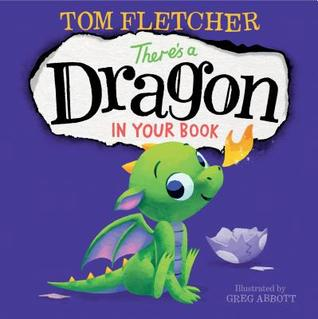
4. There’s a Dragon In Your Book: by Tom Fletcher
Children are encouraged to blow, shake, tilt, and turn the book to help the dragon throughout the story, creating countless opportunities for communication.
Why We Love it:
Making Predictions
Sequencing & Following Directions
Targets Action words: blow, shake, turn
Try This:
Before completing each action in the book, pause and wait expectantly for your child to communicate. Instead of immediately turning the page, try asking:
"What should we do next?"
"What do you think will happen?"
"Uh oh! How can we help him?"
5. We're Going on a Bear Hunt: by Michael Rosen
This classic adventure story invites children to repeat phrases and act out movements.

Why We Love It:
Encourages participation through repetition
Supports sequencing skills
Builds descriptive vocabulary
Promotes movement and language together
Try This:
Act out the story as you read it, using a chanting sing-along tune:
Swish through grass
Splash through water
Stomp through mud
Adding movement and song can help children remember and learn new vocabulary and concepts!
***Check out some of our favorite books that celebrate communication differences and disorders, neurodiversity and bilingualism by visiting our blog!
HOW TO USE your Local Libraries as a Summer Resource!
Local libraries provide rich opportunities for language, literacy, and social development, especially over the summer months. Here are a few benefits of Summer Library Programs, to further support your child’s communication and speech and language development when school is not in session:

1. Story Times
Group story times can help expose children to:
New vocabulary
Early literacy skills
Listening comprehension
Books with Songs, Rhymes & Movements that support language development
Participating in a group setting with other same-aged children
2. Play-Based Learning Opportunities
Play is one of the most effective ways to help children learn language. During play, children practice requesting, commenting, asking questions, problem-solving, and engaging socially with peers. To support play development, many libraries now offer:

Toy stations
Building activities
Sensory play
STEM exploration centers
Age-specific play groups
3. Summer Reading Challenges
Particularly geared for more older school-aged children, local libraries often create summer reading challenges that are designed to:
Increase motivation to read
Build daily reading routines
Strengthen comprehension skills
Prevent the "summer slide" in literacy development
4. Social Communication Practice
Community library programs give children many summer opportunities to:
Meet peers
Practice joint play and conversation skills
Follow group directions
Participate in cooperative activities
These experiences can be especially beneficial for children who do not have siblings or have infrequent play dates with peers as well as those working on their social communication skills.
Whether you're reading under a tree, at the beach, in your living room or at your local library, every book shared with your child creates opportunities for connection, conversation, and learning. A few minutes of interactive reading each day can help build vocabulary, strengthen literacy skills, and foster a lifelong love of books.
Happy Summer Reading from Sunny Spot Speech!
ABOUT US:
Sunny Spot Speech provides private speech therapy services and evaluations for kids in home, online, at your child's preschool, daycare, private school, or at another community location throughout Los Angeles' San Fernando Valley. We have an incredible and growing team of bilingual (Spanish and English speaking) Los Angeles based Speech Language Pathologists who are knowledgeable in the assessment and treatment of a wide range of communicative disorders, including (but not limited to) children with Language Disorders and Developmental Delays, Hearing Loss, AAC users, Fluency disorders, Articulation and Phonological Disorders, Childhood Apraxia of Speech, and Gestalt Language Processors.


Comments